
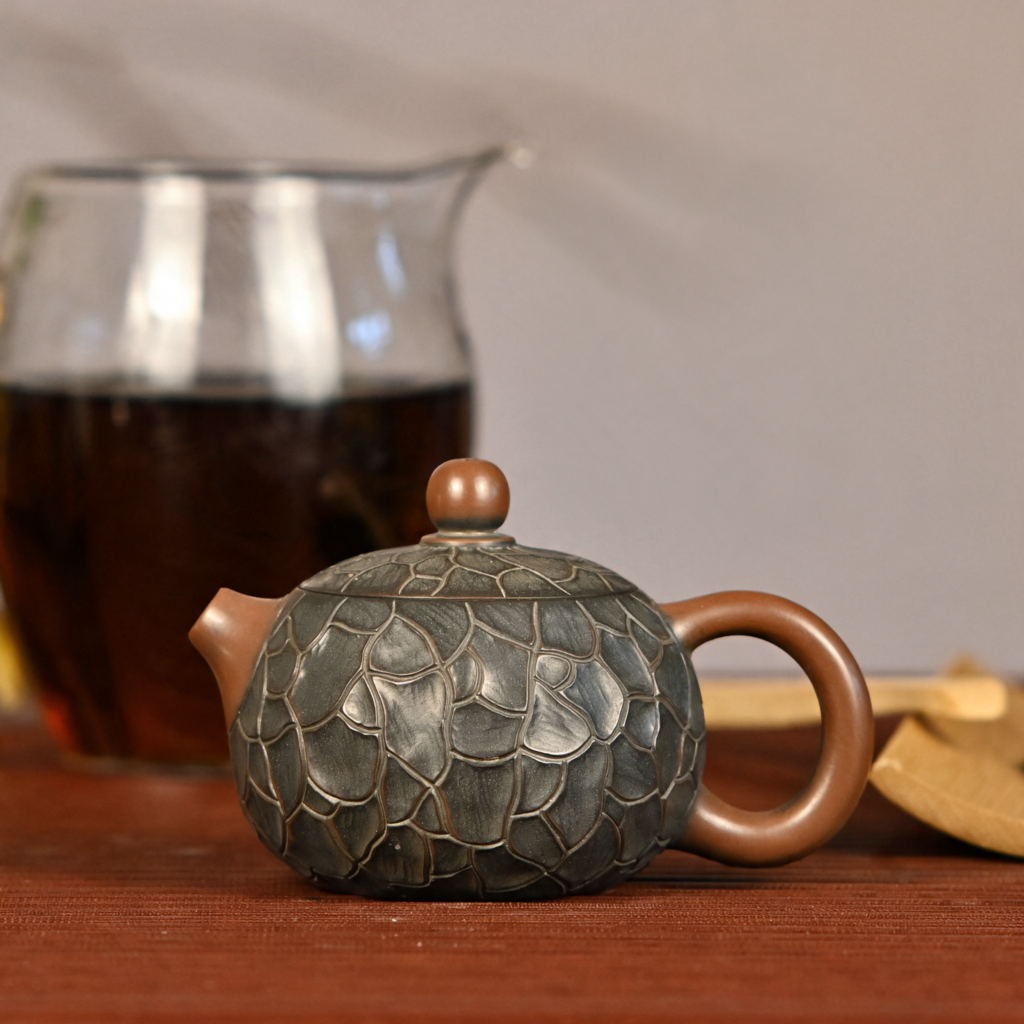
Long before teapots became global design objects, a quiet town in southern China was perfecting a craft that would survive 13 centuries. The town is Qinzhou, in Guangxi, and the craft is Nixing pottery — one of China’s four great pottery traditions, alongside Yixing, Jianshui and Rongchang.
Born in the Tang Dynasty
Nixing pottery traces its origins to around 618 AD, the beginning of the Tang Dynasty. For more than 1,300 years, artisans along the Qin River have shaped the region’s distinctive clay into vessels for tea, wine and daily life. The techniques were passed from master to apprentice, generation after generation — never written down, only taught by hand.
Clay You Can Only Find in Qinzhou
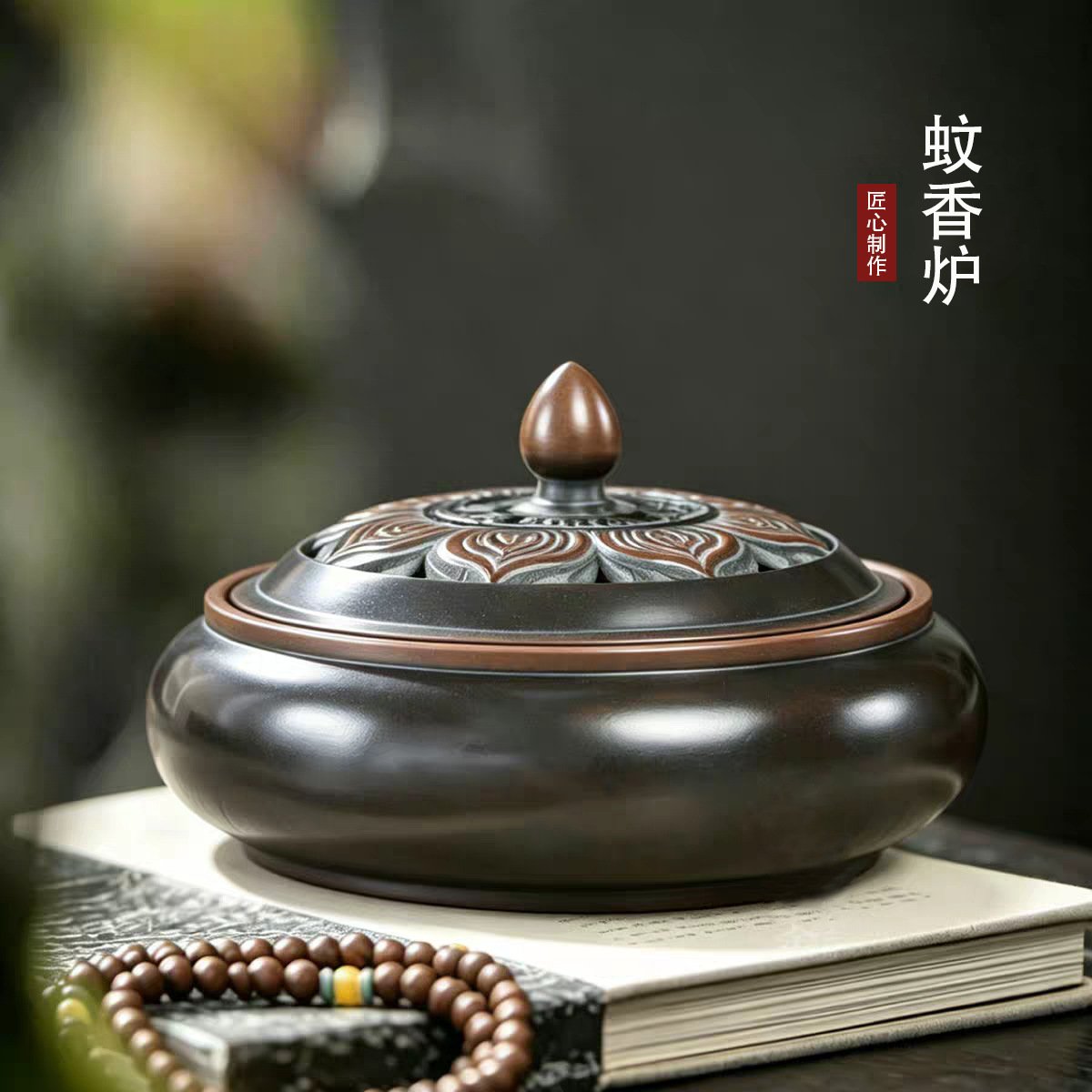
What makes Nixing different begins in the ground. The pottery is made from two clays found only in Qinzhou. They are cleaned, blended in a precise ratio and refined into a fine body that needs no glaze and no additives. Fired once, the clay transforms through oxidation and heat into a range of earthy tones — bronze, crimson, charcoal — with a natural double-porosity structure that is breathable yet watertight.
That structure is practical magic for tea drinkers. Tea brewed in Nixing pottery stays fresh longer, and the unglazed walls slowly absorb the tea, deepening the pot’s color and character over years of use.
The Craft of Hand Carving
Nixing pottery is as much sculpture as vessel. Because there is no glaze, the decoration is carved directly into the clay — dragons, peonies, bamboo, landscapes and calligraphy. A single teapot can pass through twelve steps by hand, from selecting and weathering the clay to shaping, carving, firing, polishing and final inspection. No two pieces are ever identical.
An Intangible Cultural Heritage
In recognition of this living tradition, Nixing pottery’s firing technique has been designated a National Intangible Cultural Heritage of China. It is one of the four great potteries — a title reserved for the crafts that define Chinese ceramic culture.
Why It Matters Today
In an age of mass production, a Nixing teapot is the opposite: hand-thrown, hand-carved, fired in small batches, and impossible to duplicate. For tea lovers, it is a working vessel with a one-of-a-kind patina. For collectors, it is a piece of living history.
Every teapot we ship is made in Qinzhou by artisans carrying on this 1,300-year tradition. See the craft in action on our About page, then browse our hand-carved Nixing teapots and tea cups and accessories. Free worldwide shipping on every order.